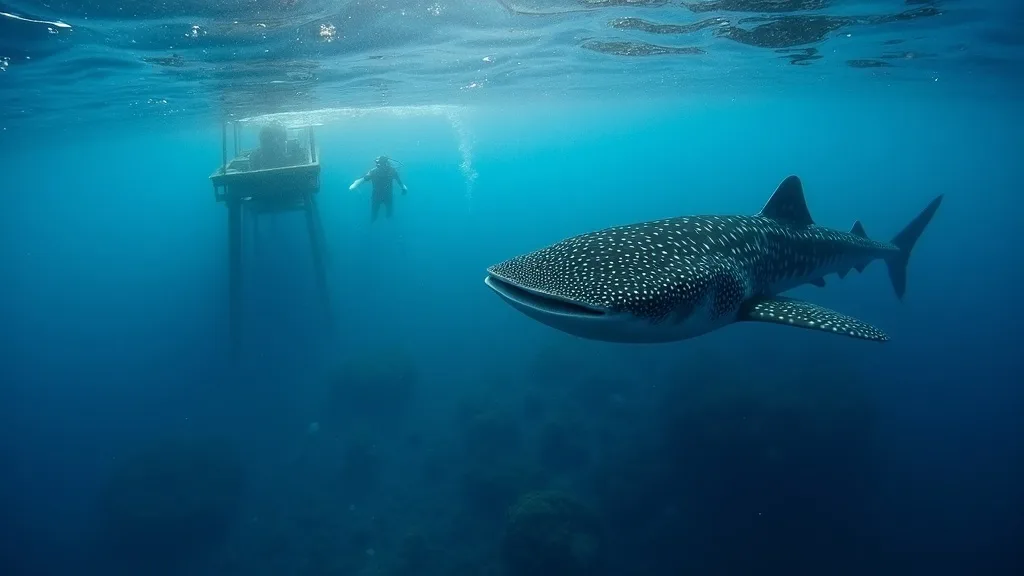
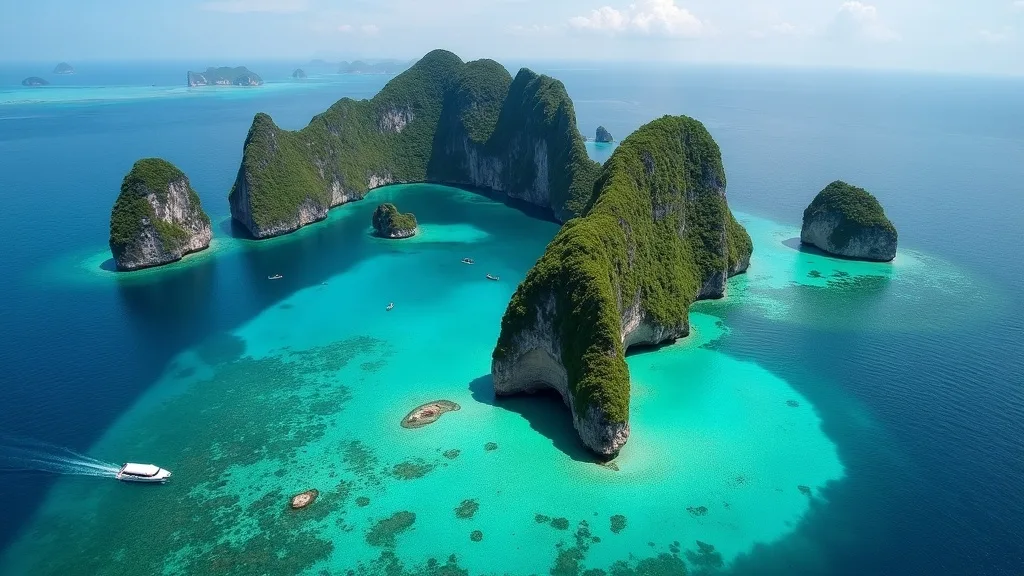
Your marine park permit funds patrols, ranger posts and community revenue-sharing across the Raja Ampat protected area. Everything else is behaviour: where the boat drops anchor, what sunscreen you wear, how you act at a manta cleaning station, and how much of your spending actually reaches the villages that gave up fishing grounds.
How sustainable is a Raja Ampat charter, honestly?
A wooden boat burning diesel to carry a dozen people across a marine protected area is not a zero-impact activity, and pretending otherwise is the first failure of responsible tourism writing. The defensible position is narrower and more useful: charter tourism, run properly, generates the revenue and the political constituency that make protection viable in a place where the alternative economy was extraction.
Raja Ampat holds the most biodiverse reef system on earth — more than 550 hard-coral species by conservation survey counts, at the heart of the Coral Triangle. That system survived because communities and the regency chose protection, and protection has running costs. The question is not whether your trip has an impact, but whether the net effect of your money and your behaviour is positive.
What does the permit fee actually fund?
The Raja Ampat entry retribution is a conservation levy, valid twelve months, bought in Sorong or Waisai and normally arranged by your operator before boarding. It underwrites patrol boats and ranger posts — including the ones in the far north near Wayag that check permits and deter illegal fishing — plus monitoring work and revenue-sharing with communities inside the protected area.
Published amounts currently conflict between sources: some quote a single retribution of IDR 1,000,000 for foreign visitors and IDR 500,000 for Indonesians; others describe an environmental services fee of around IDR 700,000 plus a separate regency entry ticket. We publish the range rather than a fabricated single figure and confirm the applicable amount at booking — the reasoning is set out in our marine park permit guide. What is not in dispute is that paying it is the mechanism, and that shark and manta protection here is enforced rather than decorative.
What should a well-run boat do about anchoring?
This is the largest single physical impact a charter vessel can have, and it is entirely controllable.
- Use moorings where they exist, and check them rather than assuming.
- Anchor on sand only, spotted visually before the anchor goes down. In water this clear there is no excuse for guessing.
- Watch the swing circle. An anchor on sand with chain dragging across coral is still destroying reef.
- Never anchor on a dive site. Drop the tender and let it work the site instead of putting the mother ship over it.
- Tender discipline in the shallows — no propellers over shallow coral, no beaching on reef flats.
You can ask about this before you book. The quality and specificity of the answer tells you more about an operation than any brochure. Larger vessels have more anchoring constraint, not less, which is why it is on our checklist for northern expedition routes where anchorages are exposed and remote.
What are the rules around wildlife?
Manta cleaning stations. Stay behind the marker line at Manta Sandy, kneel on sand, stay low, do not rise into the water column, do not chase, do not block the approach lane, and time your exhalations so bubbles do not hit an approaching animal. Snorkellers stay on the surface rather than free-diving down onto the station. These rules exist because a manta that feels pursued leaves — and if it leaves often enough, it stops using a station that a hundred other visitors would have enjoyed. The full picture is in our manta ray guide.
Sharks. Juvenile blacktips in the Wayag shallows and wobbegongs under ledges are not to be touched, moved, cornered or fed. Feeding changes behaviour permanently and rangers take a dim view of it.
Everything else. No touching, no collecting, no standing on reef, no gloves-as-permission-to-grab. Photographers: no repositioning animals, no flash at close range on nocturnal species, no repeated strobing of the same subject.
What about sunscreen, plastic and waste?
| Issue | What to do | Why |
|---|---|---|
| Sunscreen | Wear a rash guard and a hat; use mineral-based products sparingly and apply well before entry | Chemical filters accumulate in enclosed water; in marine lakes, no sunscreen at all |
| Single-use plastic | Bring a refillable bottle; boats provide filtered drinking water | There is no waste infrastructure on small islands |
| Rubbish ashore | Carry everything back to the boat | Village waste systems are minimal; do not add to them |
| Fresh water | Short showers | Tankage and watermakers serve 25+ people for a week with no resupply |
| Grey and black water | Ask how the vessel handles it | Practice varies across the fleet; the question itself raises standards |
| Batteries and medical waste | Take them home | Nothing on the islands can process them |
The marine lakes in the Misool area are the strictest case: no sunscreen, no repellent, no oils, soft fins or none, no touching, limited numbers. Those rules are what keeps them open, and they change without notice — see our Misool lagoons guide.
Where does charter spending actually reach communities?
Four channels, in descending order of directness:
- Crew employment. A phinisi runs ten to fifteen crew, many from eastern Indonesia, on year-round wages.
- Village contributions and guide fees. Paid at the jetty at Arborek, Sauwandarek, Yenbuba and Sawinggrai, funding shared infrastructure through village committees.
- Craft purchases. Straight to the maker. Pay the asking price.
- The marine park retribution. Regency-level, with a community revenue-sharing component.
You can weight your own trip toward the first three simply by asking for village time in the itinerary — a request we build in as standard rather than as an add-on, described in our village visits guide. Groups that want the shallow-water, community-heavy version of the trip usually end up on the snorkelling charter for non-divers, which spends more time near villages and less time chasing seamounts.
What questions should you ask an operator?
Five that reveal almost everything:
- Where does the boat anchor, and how do you avoid coral?
- What is your policy at manta cleaning stations, and do guides enforce it?
- How do you handle waste and grey water?
- How many crew are local, and how are village fees paid?
- What happens if a site is closed by rangers — do you substitute or refund?
Vague answers are answers. So is defensiveness.
Frequently asked questions
Is Raja Ampat being damaged by tourism?
Pressure is real at the busiest viewpoints and near the most-visited sites, which is why access rules tighten periodically. The regency’s protection regime has also kept shark and manta populations intact in a way most of the tropics have not managed. Both things are true.
Is a liveaboard worse for the environment than a resort?
Not straightforwardly. Boats burn fuel; resorts require permanent construction, freshwater extraction and shoreline waste management. Neither is clean. What distinguishes operators is practice, not category.
What sunscreen should I use?
Mineral-based, applied well before entering the water, and as little as possible — a rash guard and a hat do most of the work. In marine lakes, none at all.
Can I take shells or coral home?
No. Collecting is prohibited inside the protected area, and customs regimes elsewhere take a dim view of it too.
Do charters pay the villages fairly?
Reputable ones pay the posted community contributions, employ local guides and buy locally. Ask; the answer is easy to give if it is true.
Does booking early help conservation?
Indirectly, yes — predictable bookings let operators plan routes that spread pressure across sites instead of concentrating everyone at the same anchorage on the same day. Our booking timeline guide covers when to commit.
Who runs these charters?
Komodo Luxury, part of Juara Holding Group, operating Indonesian liveaboard and charter itineraries since 2015; the wider fleet and the Komodo operation are documented at Komodo Luxury. Ask us the five questions above — we would rather answer them than not. WhatsApp +62 811 3823 875 or [email protected].