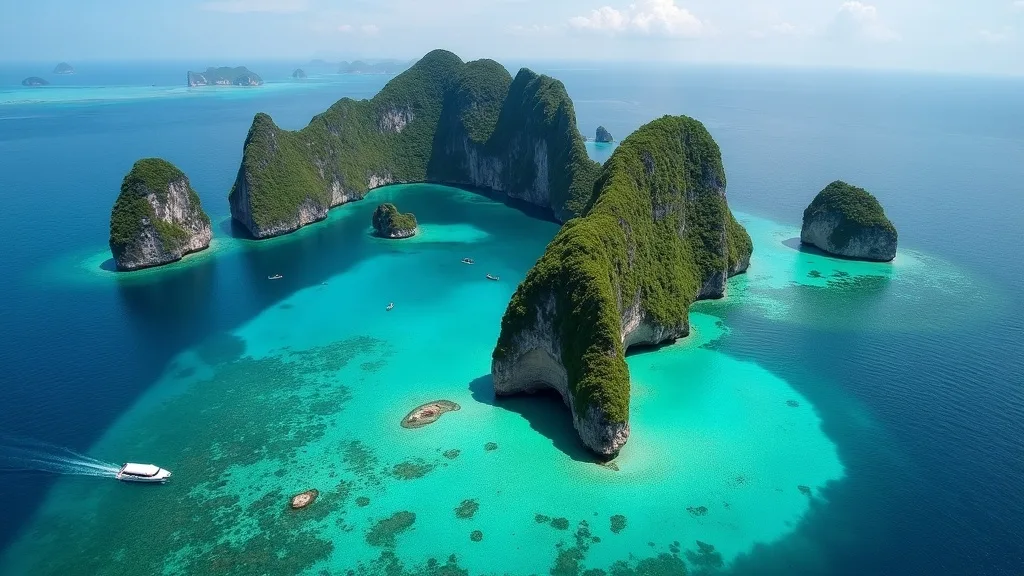
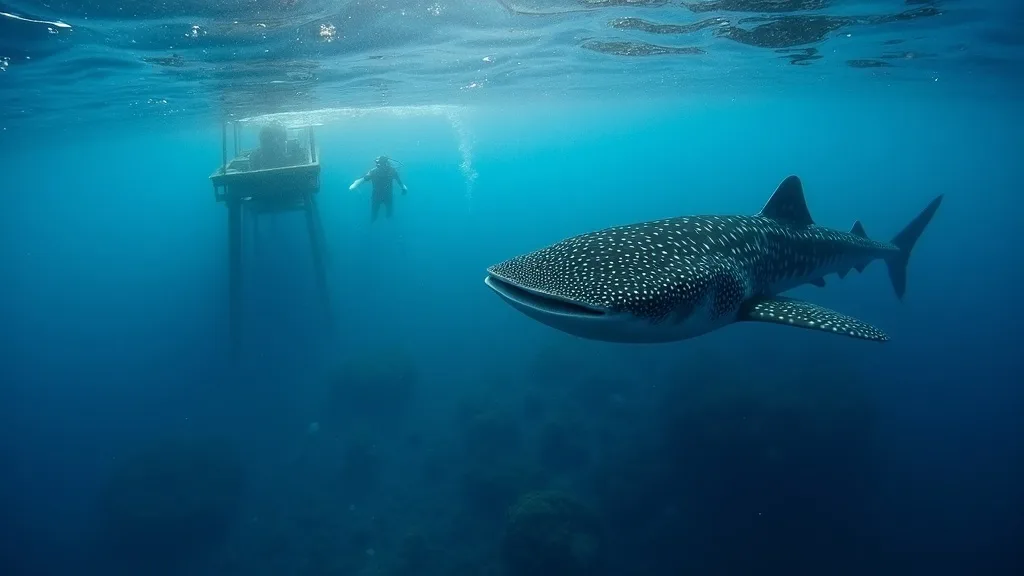
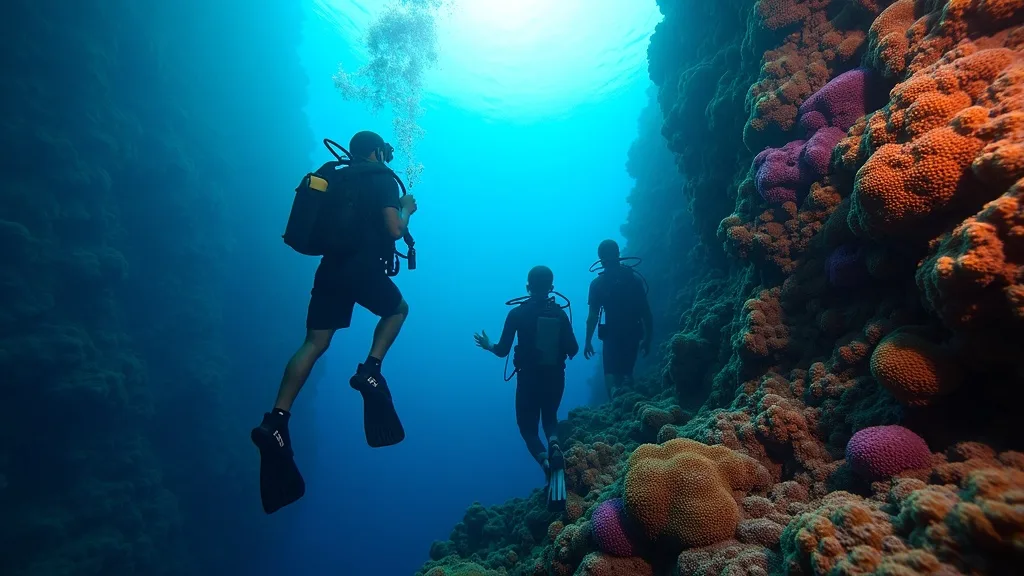
Open Water certification is enough for a genuinely good Raja Ampat trip — Manta Sandy, Mioskon, Arborek and the Kri house reefs are all comfortable at that level. Advanced certification plus real drift experience is what unlocks the famous sites: Cape Kri, Blue Magic, Sardine Reef, Magic Mountain and Four Kings.
How much diving experience do you need for Raja Ampat?
There is no single certification gate for the region, and any operator quoting one is simplifying. What actually gates you is current. Raja Ampat’s headline sites sit where water accelerates between islands and over seamounts, and the skills that matter there are buoyancy control in moving water, comfort with negative entries, reef-hook use and the discipline to stay with a group in a drift.
A realistic self-assessment: if you have twenty logged dives, all in calm conditions, and your last dive was three years ago, you will have a wonderful time on the shallow sites and a stressful time on the famous ones. If you have fifty dives with some drift experience and current certification, the whole map opens up.
Which sites need which level?
| Site | Depth | Current | Minimum realistic level |
|---|---|---|---|
| Arborek Jetty | 5–20 m | Mild | Open Water / first ocean dives |
| Mioskon | 5–25 m | Mild | Open Water |
| Yenbuba / Kri house reefs | 3–20 m | Mild | Open Water |
| Manta Sandy | 5–18 m | Mild to moderate | Open Water with good buoyancy |
| Nudi Rock (Misool) | 5–25 m | Mild to moderate | Open Water / Advanced |
| Boo Windows (Misool) | 5–15 m | Moderate | Advanced |
| Melissa’s Garden (Fam) | 5–30 m | Mild to moderate | Advanced for the deeper profile |
| Citrus Ridge | 8–30 m | Moderate | Advanced |
| Manta Ridge | 10–25 m | Moderate to strong | Advanced + hook |
| Cape Kri | 5–40 m+ | Often strong | Advanced + drift experience |
| Sardine Reef | 5–35 m | Strong drift | Advanced + drift experience |
| Magic Mountain (Misool) | 5–40 m+ | Moderate to strong | Advanced + drift experience |
| Four Kings (Misool) | 10–35 m | Strong | Advanced + drift experience |
| Blue Magic | 15–40 m | Medium to very strong | Advanced, negative entry, hook |
The pattern is worth stating plainly: the beginner-accessible sites in Raja Ampat are not the consolation prize. Manta Sandy’s cleaning station and Mioskon’s wobbegongs are on every experienced diver’s list too. The full site picture with signature sightings is in our dive sites guide.
How many logged dives should you have?
Operators vary and few publish a hard number for recreational itineraries. Useful internal benchmarks:
- Under 20 dives: excellent trip available on the shallow, mild sites. Expect to sit out one or two of the strong-current dives, and plan a refresher on day one.
- 20–50 dives: most of the map, with guide judgement on the strongest sites. Buoyancy is usually the limiting factor rather than certification.
- 50+ dives with drift experience: everything, conditions permitting.
- Rusty regardless of number: if your last dive was over twelve months ago, book a refresher. Do it before the trip if you can, or as the first dive of the charter.
Be honest on the booking form. Overstating experience does not get you a better trip; it gets you put on a site where you burn your gas in fifteen minutes and see nothing but sand while you fight the current.
Is nitrox worth it here?
Usually yes, and for a specific reason: Raja Ampat is a repetitive multi-level destination. Three dives a day for five to ten days, mostly in the 15 to 30 metre band, is exactly the profile where enriched air buys meaningful extra no-decompression time and — for many divers — noticeably less fatigue by day four.
| Item | Typical cost | Notes |
|---|---|---|
| Nitrox per diver per day | USD 10–20 | Sometimes included on top-tier boats |
| Nitrox per week | USD 70–150 | Cheaper than daily on longer charters |
| Dive package where diving is an add-on | USD 100–150 per diver per day (3 dives) | About USD 30–50 per dive |
You need an enriched air certification to use it, and you must analyse every tank yourself and log it. If you are not certified, the course is short and several boats can deliver it on board — ask before you book rather than assuming. Where diving is bundled versus charged separately affects the total materially; the arithmetic sits in our comparison of cabin booking versus full-boat charter.
What kit should you bring?
- Reef hook and a short line. Essential for the current sites. Hook bare rock, never coral.
- Surface marker buoy and whistle. Non-negotiable in drift conditions. A 1.8 m sausage is the standard.
- Your own computer. Ideally nitrox-capable, with fresh batteries and a spare.
- 3 mm full wetsuit. Water is warm but three dives a day plus wind chill on the tender adds up.
- Gloves, if permitted. Some operators restrict them to discourage touching; ask.
- Your own mask. The one piece of rental kit that ruins dives when it does not fit.
- Torch. For overhangs, for wobbegongs under ledges, and for the night dive where walking sharks appear.
What does a private charter change?
The pace matches your weakest diver rather than your strongest. On a shared boat, a group of twelve strangers with mixed experience gets a single dive plan and the less-experienced divers either cope or miss out. On a chartered vessel, the cruise director can split the tender — advanced divers to the seamount, everyone else to the shallow reef nearby — and both groups surface happy.
It also allows repetition. Three attempts at a manta station in different tide states beats one scheduled pass, and repetition is how less-experienced divers build the comfort that turns a stressful drift into an easy one. That is the practical case for the 5-day/4-night Dampier Strait charter as a first Raja Ampat trip, and for the 10-night grand tour once you have the skills to use the whole map.
Frequently asked questions
Can beginners dive Raja Ampat?
Yes, on a curated site list. Open Water divers with decent buoyancy have a superb trip at Manta Sandy, Mioskon, Arborek and the house reefs. They should not be dropped on Blue Magic, and a good operator will say so.
Do I need Advanced Open Water?
For the deeper, current-swept signature sites, effectively yes — both for the depth allowance and because the training covers the skills those sites demand. It is the single most useful qualification to hold before this trip.
Can I learn to dive in Raja Ampat?
Entry-level training is possible on some vessels, but this is not the ideal classroom: current, remoteness and world-class sites you would rather enjoy than practise mask-clearing on. Certify at home, then come here.
How strong is the current really?
At the seamounts, strong enough that a negative entry and an immediate descent are standard, and a hook is normal practice once you are on the structure. At the shallow sites, mild enough for snorkellers — see our guide to Raja Ampat without scuba.
Is nitrox included on charters?
On some top-tier boats yes; otherwise it is a surcharge of roughly USD 10–20 per diver per day. Confirm at booking, along with whether the boat has a membrane system or banks tanks.
What if one person in my group is much less experienced?
Tell us before booking. It changes the site rotation and often the number of guides we put in the water. On a private boat this is a scheduling question rather than a problem.
Do I need insurance to dive here?
Yes — dive accident cover including evacuation, which is a practical necessity given the region’s remoteness. The details are in our guide to dive safety, insurance and evacuation, and manta-site etiquette is covered in our manta ray guide.
Matching a route to your group’s certification
Send us the certification level and rough dive count for everyone in the party and we will build the site rotation around the real numbers, not the optimistic ones. Komodo Luxury has operated Indonesian charters since 2015; see Komodo Luxury for the wider operation. WhatsApp +62 811 3823 875 or [email protected]. How the boat behaves around wildlife matters as much as your certification — see chartering responsibly in Raja Ampat.